


Five Key Parameters to Consider When Selecting an Electric Zoom Microscope Objective Lens
When selecting a motorized zoom microscope objective, a comprehensive evaluation should be based on five key parameters: optical magnification, resolution, depth of field, compatibility, and working distance. Optical magnification determines the magnification capability; resolution ensures clear detail; depth of field affects the range of simultaneously sharp images; compatibility determines system integration and motorized control capabilities; and working distance relates to operating space and safety. Only by appropriately balancing these parameters according to actual application requirements can you select the most suitable motorized zoom microscope objective.

1. Optical Magnification: Determines the Magnification Capability

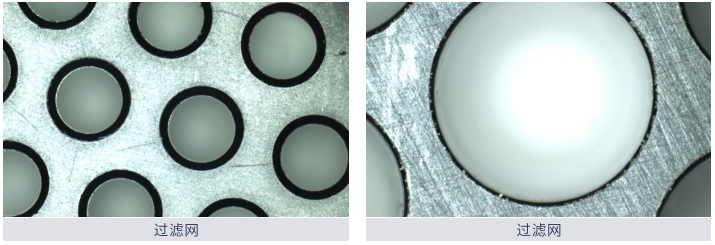
Optical magnification determines a microscope’s ability to magnify images. When selecting a microscope, you should determine the appropriate magnification range based on your application requirements to ensure that you can observe the details of the target object. If the magnification is too low, you may not be able to distinguish minute features; if it is too high, the field of view may be reduced, affecting overall observation efficiency. Therefore, the selection should be based on a comprehensive evaluation of the actual size of the object being observed, the precision of its details, and the required field of view.
2. Resolution: Affects the Detail Clarity
Resolution is one of the key parameters of motorized zoom microscope objectives and determines whether target details can be clearly distinguished. When selecting an objective, choose one with a resolution that meets the requirements based on the size of the object being observed and the precision needed. For applications involving fine structures, surface defects, or high-precision inspection, priority should be given to ensuring that the resolution meets the observation requirements.
3. Depth of Field: Determines the Range of Focus
The greater the depth of field, the wider the range that can be observed in focus at the same time. For applications that require simultaneous observation of different height levels or the recording of dynamic scenes, a microscope objective with a larger depth of field is more suitable. If the specimen has varying heights or is in motion, an insufficient depth of field may cause some areas to be out of focus; therefore, depth of field should be considered a key evaluation criterion.
4. Compatibility: Ensure System Matching with Electric Controls
When evaluating compatibility, ensure that the interface type of the microscope objective matches that of the existing equipment, and verify that the relevant software and control systems are supported to enable motorized zoom functionality. Insufficient compatibility may result in installation difficulties, unstable control, or an inability to integrate the objective into the existing inspection system; therefore, it is necessary to confirm the mechanical and electrical interfaces, as well as software control support, during the selection process.
5. Working Distance: Impact on Operating Space and Safety
The working distance determines the effective operating distance between the microscope objective and the specimen. The appropriate working distance should be selected based on the application to avoid obstructing or damaging the specimen. A working distance that is too short may limit the operating space and increase the risk of collision, while a working distance that is too long may affect image quality or system layout. Therefore, it should be determined comprehensively, taking into account the specimen height, operating method, and available space.

TECHNICAL SOLUTION
MORE+You may also be interested in the following information
FREE CONSULTING SERVICE
Let’s help you to find the right solution for your project!

 ASK POMEAS
 PRICE INQUIRY
 REQUEST DEMO/TEST
 FREE TRIAL UNIT
 ACCURATE SELECTION

- APPICATION CASE
- RESOURCE CENTER
- DOWNLOAD CENTER
SOLUTIONS SUPPORT
- ZOOM LENS SELECTION TOOL
- TELECENTRIC LENS SELECTION TOOL
- FA LENS SELECTION TOOL
- ZOOM RATIO TABLE
- CERTIFIED MODEL
SELECTION TOOL
- WHY POMEAS
- FAQ
- PRIVACY POLICY
- TERMS OF USE
- DELIVERY & RETURN POLICY
CUSTOMER CARE
 ADDRESS
Add.:No.68, Yongwei Road, Baizhoubian, Dongcheng District, Dongguan, China,523000
CONTACT
 Tel:+ 86-0769-2266 0867
 Fax:+ 86-0769-2266 0867
 E-mail:marketing@pomeas.com

Wechat QR code

Software Copyright :2021SR0176001 抄袭必究, 技术支持:誉新源科技