


Learn About High-Precision Image Measurement Systems in Just One Minute!
What is a high-precision image measuring instrument?

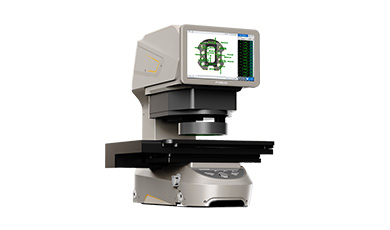
High-precision image measurement systems capture images using high-definition cameras. By combining optical magnification with computer image processing technology, they employ algorithms to measure and analyze the geometric characteristics of target objects. These systems are primarily used for measuring precision components and inspecting semiconductors and electronic components.
Technical Principles: A Multidisciplinary Precision Measurement System

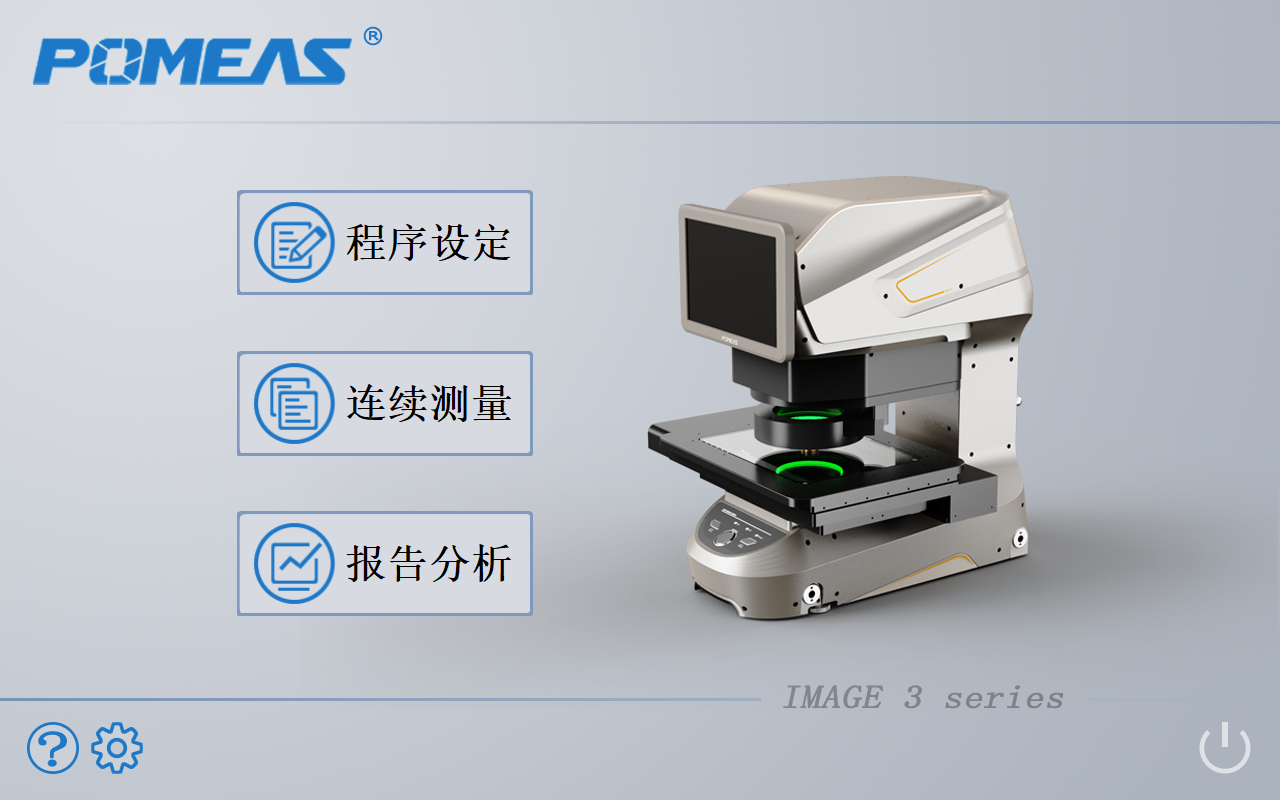
1. Image Acquisition Module: Utilizes high-resolution industrial cameras (such as megapixel CMOS sensors) in conjunction with telecentric lenses or microscopic optical systems to achieve micron- or even nanometer-level image magnification. Some devices incorporate multispectral imaging technology to capture information about surface textures or internal defects in objects.
2. Intelligent Algorithms:
① Edge Detection Algorithms: Precisely extract object contours using operators such as Canny and Sobel, with errors controlled to the sub-pixel level.
② Sub-pixel Localization Technology: Utilize quadratic curve fitting or the center-of-mass method to enhance measurement resolution to 1/10 of a hardware pixel or even lower.
③ 3D Reconstruction Algorithms: Combine structured light or laser scanning technology to generate point cloud data of objects, enabling 3D topography measurement.
④ Machine Learning Assistance: Utilizes deep learning models to automatically identify defect types or classify measurement objects, enhancing adaptability in complex scenarios.
3. Motion Control and Calibration System: Equipped with high-precision linear guides and closed-loop servo motors, this system enables three-axis (X/Y/Z) simultaneous positioning. Combined with a laser interferometer or optical encoder for real-time feedback calibration, it ensures mechanical motion accuracy of ±0.1 μm.
Key Advantages: Technological Breakthroughs That Go Beyond Traditional Measurement Methods
1. Non-contact measurement: Avoids physical damage to soft or delicate objects caused by traditional calipers and micrometers, making it particularly suitable for high-value samples (such as aircraft blades and biological specimens).
2. Ultra-precise quantification capabilities: Combining optical magnification with sub-pixel algorithms, it achieves measurement accuracy at the micrometer or even nanometer level, meeting the stringent requirements of industries such as semiconductors and optical components.
3. Fully Automated Process: The entire process, from image capture to report generation, is fully automated, reducing measurement time per item to seconds and significantly increasing production line throughput.
4. Multifunctional Integration: A single device can replace multiple tools such as projectors, profilometers, and coordinate measuring machines (CMMs), reducing equipment procurement and maintenance costs for enterprises.
5. Intelligent Data Analysis: Equipped with a built-in Statistical Process Control (SPC) module, it monitors production process fluctuations in real time and automatically generates quality reports, including CPK values and trend charts.
Product recommendation
TECHNICAL SOLUTION
MORE+You may also be interested in the following information
FREE CONSULTING SERVICE
Let’s help you to find the right solution for your project!
 ASK POMEAS
  PRICE INQUIRY
  REQUEST DEMO/TEST
  FREE TRIAL UNIT
  ACCURATE SELECTION
- APPICATION CASE
- RESOURCE CENTER
- DOWNLOAD CENTER
SOLUTIONS SUPPORT
- ZOOM LENS SELECTION TOOL
- TELECENTRIC LENS SELECTION TOOL
- FA LENS SELECTION TOOL
- ZOOM RATIO TABLE
- CERTIFIED MODEL
SELECTION TOOL
- WHY POMEAS
- FAQ
- PRIVACY POLICY
- TERMS OF USE
- DELIVERY & RETURN POLICY
CUSTOMER CARE
 ADDRESS
Add.:No.68, Yongwei Road, Baizhoubian, Dongcheng District, Dongguan, China,523000
CONTACT
 Tel:+ 86-0769-2266 0867
 Fax:+ 86-0769-2266 0867
 E-mail:marketing@pomeas.com

Wechat QR code

Software Copyright :2021SR0176001 抄袭必究, 技术支持:誉新源科技